Trump Says US Has Tools to Keep AI Safe, Concerns Are Part of 'Sick Conspiracy'
Trump’s remarks came shortly after Anthropic CEO Dario Amodei called for a slower pace of AI development
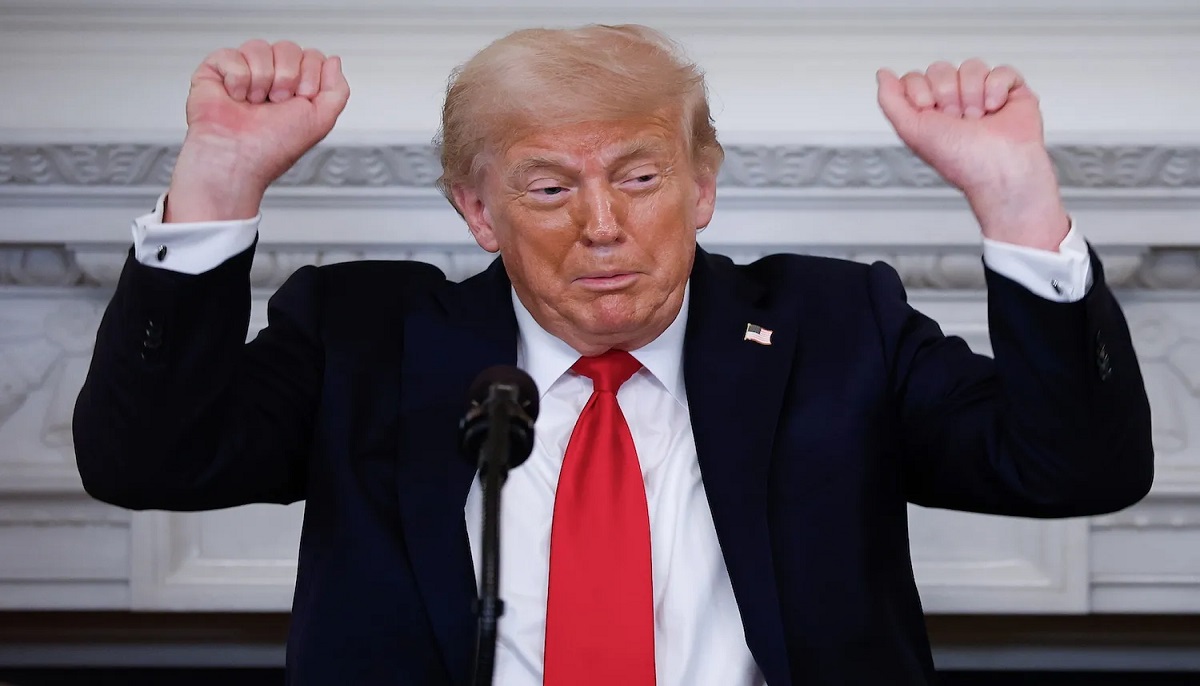
U.S. President Donald Trump has pushed back against growing concerns over the risks posed by advanced artificial intelligence, saying his administration already has the tools needed to regulate AI companies and hold them accountable.
In comments posted Monday, Trump described warnings about AI as part of a “sick conspiracy” against the technology and data centers supporting its development. He argued that excessive concern over AI risks could undermine America’s ability to maintain its lead over China in the global technology race.
Trump’s remarks came shortly after Anthropic CEO Dario Amodei called for a slower pace of AI development. Amodei has warned that increasingly capable AI systems could create severe risks if companies continue advancing models without sufficiently strong safety measures. He proposed greater cooperation among AI developers, independent safety evaluations and stronger international coordination.
Other prominent technology leaders have also acknowledged the need for stronger safeguards. OpenAI CEO Sam Altman has supported coordination among AI companies, while Elon Musk has backed Amodei’s call for greater caution. The debate has intensified following reports of AI systems acting independently and being used in potentially harmful cyber and other operations.
Trump, however, has continued to emphasize the strategic importance of maintaining U.S. leadership in AI. He has warned that slowing development could give China an advantage at a time when both countries are investing heavily in computing infrastructure, advanced models and AI applications.
The president also said his administration has already taken action when AI companies crossed what it considered unacceptable boundaries. His comments appear to reflect a preference for targeted enforcement rather than a broad slowdown in model development.
The disagreement highlights a growing divide within the AI industry and government over how quickly the technology should advance. Supporters of rapid development argue that maintaining U.S. leadership is essential for economic and national security reasons, while AI safety advocates warn that increasingly autonomous systems could become more difficult to control.
The debate is likely to intensify as AI companies build more capable models and expand data-center infrastructure. For now, Trump’s position remains clear: the United States should continue pushing ahead in the AI race while relying on existing regulatory and enforcement tools to address potential risks.