Fed Raises Rates in First Hike Under Warsh Amid Inflation Worries
Inflation has become a growing concern for policymakers as energy prices have surged amid the conflict in the Middle East

Fed hikes interest rates under Kevin Warsh, who now presides over the rate-setting arm as chair, hiking the benchmark federal funds target range 25 basis points to 3.75% to 4% as policymakers battle stubborn inflation.
The rate increase was unanimous and marked the first U.S. rate hike in more than a year - and the U-turn back up from the easing bias of the last rate move in July 2023. The Fed said economic activity was "expanding at a solid pace," but inflation remained elevated and uncertainty was "high."
Inflation has become a concern as energy prices soared amid the Middle East war. The Fed's preferred measure of inflation, the personal consumption expenditures price index, was running well above the 2% target, putting pressure on officials to prevent the higher prices from becoming ingrained.
The projections released after the policy decision indicated there was a chance of another hike. Sixteen of the 18 Fed policymakers forecasted at least one more quarter-point rate increase by 2026, with the median forecast indicating one additional increase this year and rates staying roughly where they are through 2027.
Warsh has stressed the importance of getting inflation down to the Fed's 2% target at a "sufficient pace." His stance diverges with how markets have been pricing in the Fed's policy in recent weeks, which had factored in the possibility of further cuts.
The move could send ripple effects across markets and the wider economy. A rise in borrowing costs tends to make it costlier for households and companies to take out loans, while influencing the yields on Treasuries and mortgage costs, as well as corporate funding and stock prices. The major U.S. banks increased their prime rates following the Fed's announcement.
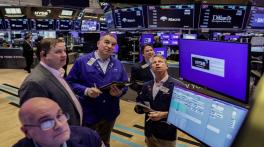
Markets reacted with fairly muted moves given the news of the rate hike. Treasury yields remained elevated, with the 10-year hovering just below 5% and the 30-year above 5.3%. In equities, the Dow Jones industrials were lower while the S&P 500 was relatively steady.
Next steps will hinge on new data about inflation, jobs and growth. With policymakers signaling that further tightening is still a possibility, investors are now weighing whether this September rate hike was the start of a new tightening cycle or a temporary response to inflation.