EU Vote on Tesla's Supervised Self-Driving System Pushed Back
The process follows provisional approval of Tesla’s FSD system by Dutch regulator RDW in April
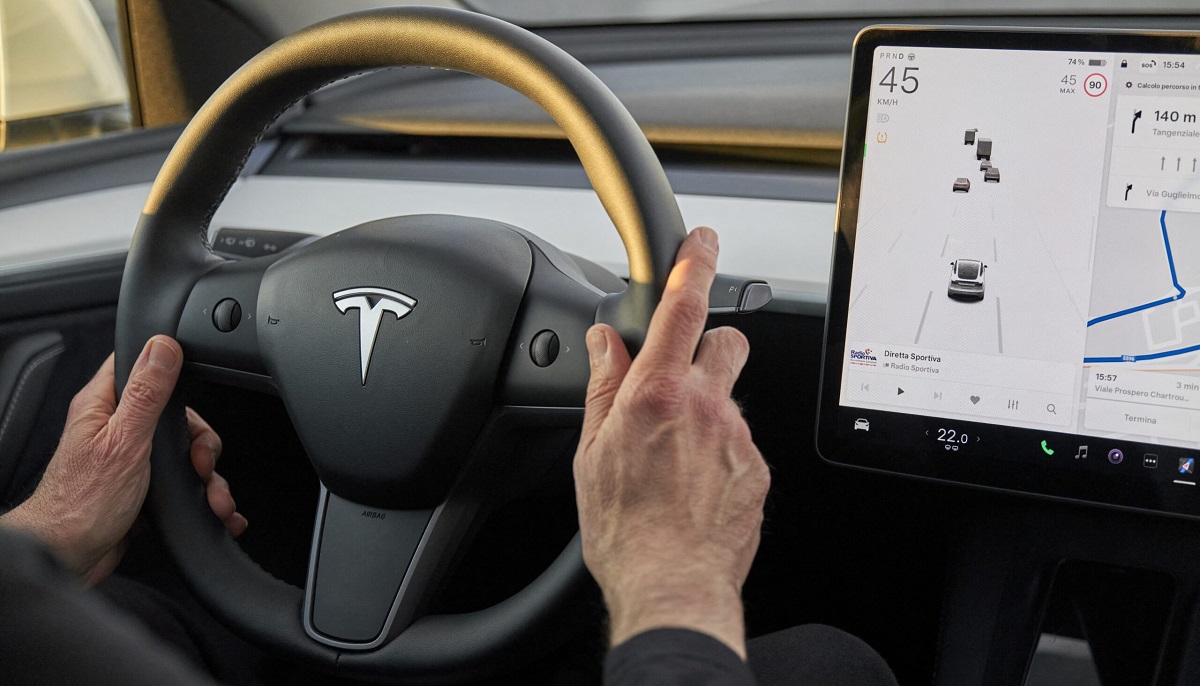
A planned European Union vote on whether to allow Tesla’s supervised Full Self-Driving system across the bloc has been delayed, according to an agenda published by the European Union.
The vote had been expected as early as October 6, after Tesla said earlier this month that an EU-wide decision could potentially take place on that date. However, the agenda for the October 6 meeting of the EU’s Technical Committee on Motor Vehicles lists only a continuation of discussions on the Dutch request for authorization. No vote is currently scheduled.
The next scheduled meeting of the committee after October is in December, making that the earliest apparent opportunity for a vote under the current timetable.
The process follows provisional approval of Tesla’s FSD system by Dutch regulator RDW in April. Belgium and several other European countries subsequently approved the technology, with Slovenia becoming the sixth European country to allow its use in September. The Netherlands has also proposed that the authorization be extended across the European Union.
Tesla’s FSD Supervised system can perform many driving tasks, including steering, braking and acceleration, but it requires drivers to remain attentive and ready to intervene. An EU-wide authorization would require support from at least 15 of the bloc’s 27 member states representing at least 65% of the EU population.
The approval process has faced safety questions in several countries. Sweden has raised concerns about the system’s ability to exceed legal speed limits, while France previously opposed EU authorization in its current form, citing concerns about speeding and driver attention. Countries that have approved the system have emphasized that drivers remain responsible for complying with traffic laws.
A Belgian road-safety group recently added to the scrutiny after testing Tesla’s system over about 400 kilometers. The group said the technology frequently exceeded speed limits in 20 km/h and 30 km/h zones and sometimes displayed incorrect speed limits. It also reported attempts to overtake cyclists in locations where such maneuvers are prohibited. Tesla did not respond to Reuters’ request for comment.
Tesla has argued that its European safety data supports broader approval. The company reported that FSD-equipped vehicles recorded fewer collisions than manually driven Teslas in its analysis of more than 100 million kilometers of European driving data. Reuters has previously reported that experts questioned the methodology behind some of Tesla’s comparisons.
The delay gives European regulators additional time to examine the technology as Tesla seeks wider access to the European market, where it faces increasing competition from Chinese electric-vehicle manufacturers.