Sustainability is changing the global soy trade
Sustainability is becoming a key part of the global soy trade. Experts discussed this change at Soy Connext 2026 in Chicago
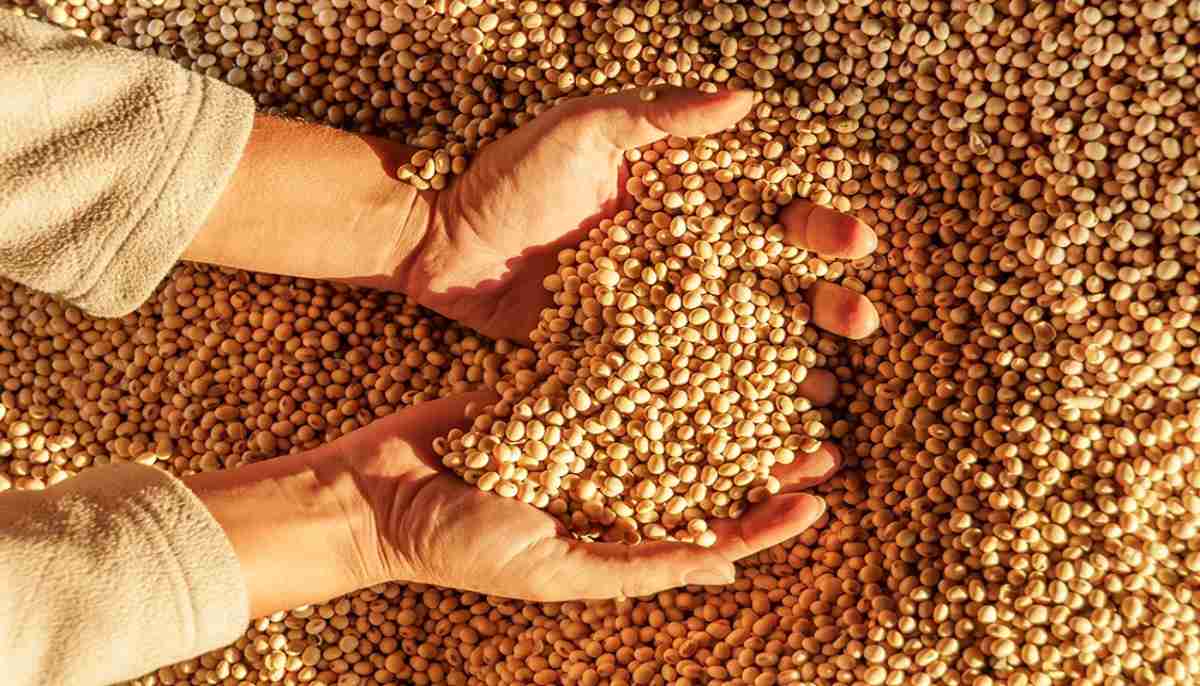
Sustainability is becoming a key part of the global soy trade. Experts discussed this change at Soy Connext 2026 in Chicago. Food companies and soy buyers are looking for products that have a lower carbon impact. They also want soy that does not come from land linked to deforestation.
US soy gets more attention
Experts said trusted data is now very important. Tools such as the Global Feed Lifecycle Institute and the US. Soy Sustainability Assurance Protocol help companies check the impact of soy.
Panelists also pointed to the carbon footprint of soy. They said data from GFLI shows that US soybeans have a carbon footprint seven times lower than South American soybeans. Some companies are already using more US soybean meal because of its environmental record.
Labels can help sales
Sustainability is also reaching shoppers. Companies are using labels to show that their products use soy from verified sources. In South Korea, Yonsei University Dairy reported that its peak monthly sales rose 2.5 times after it added the Sustainable US Soy label.
Experts said younger shoppers are also paying more attention to how food is made. They often look at environmental and ethical claims before buying products.
Rules also shape the market
Government rules are another part of the change. The European Union Deforestation Regulation is pushing companies to check where soy comes from. However, experts said customer demand can have an even bigger effect on daily buying choices.
They expect sustainability to become a basic need for companies across the soy supply chain. The industry is now looking at better data, shared costs and clear labels. These steps can help farmers, food companies and consumers understand the value of sustainable soy.