SpaceX’s Starship Rocket Reaches Orbit for the First Time
SpaceX’s Starship rocket has reached Earth orbit for the first time, achieving a major milestone after 13 previous test flights remained suborbital
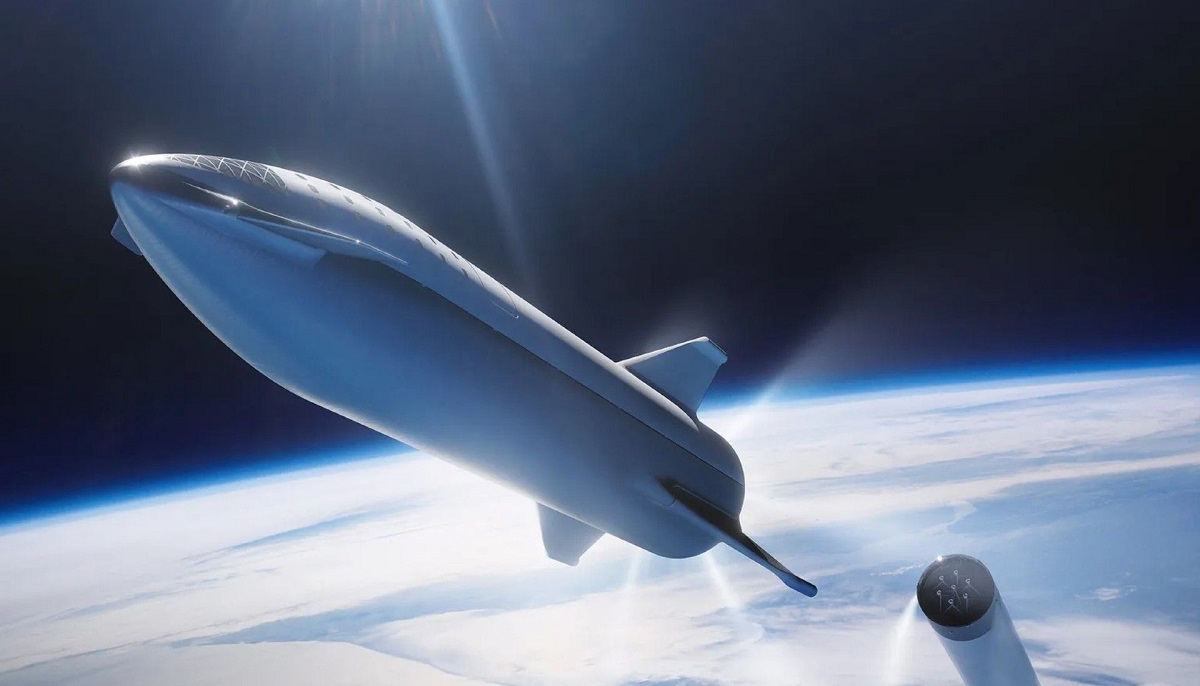
Starship rocket from SpaceX entered the earth orbit for the first time on Monday, giving a major lift to the company's next-generation launch system and plans for commercial, lunar, and deep-space missions.
The uncrewed rocket launched Tuesday from SpaceX's Starbase launch site in South Texas in its 14th complete-scale test flight. The 40-story rocket included the booster, called a Super Heavy, and the Starship upper stage that ultimately is supposed to be totally reusable.
Following its entry into space, the mission hit a significant snag when one of the six Raptor engines on Starship went dark prematurely. It was reported that SpaceX would not try to achieve orbit, but engineers later discovered it could safely do so. The craft performed the engine burn and entered orbit.
In orbit, the Starship launched the 26 new Starlink V3 satellites, the first time the spaceflights giant rocket has deployed operational satellites. The satellites were functioning normally following deployment, according to SpaceX.
The initial mission profile was to keep Starship in orbit for around 10 hours and make six orbits before returning to Earth. Due to the engine problem, SpaceX cut the mission of dramatically, with the upper stage returning to Earth just a little over three hours into orbit.
Orbit achievement is a significant milestone for Starship as its preceding 13 high-altitude test flights between 2023 and 2023 had not broken orbit. The spacecraft has been developed for nearly a decade with over $15 billion invested into the project by the SpaceX, Reuters reported.
Starship, which is being built by SpaceX to launch Starlink satellites on a far more frequent basis in the future, and (eventually) deliver cargo and astronauts to the Moon for NASA. The vehicle is integral to the next step in NASA's lunar exploration program (called Artemis), and SpaceX has also speculated about using the vehicle for Mars missions and other endeavors.
Orbital flight also doesn't mean Starship is now ready to operate routinely. SpaceX will need to launch more ships, reliably fly, reenter, recover and reuse those ships. Upcoming launches will test the new spaceship's full range of capabilities, including space station service, refilling in orbit and higher complexity missions.
Nonetheless, Starship's first orbital flight is a notable technical milestone for SpaceX for now and gets the company one rung up its ladder toward using its heaviest booster as a reusable spaceship.