As Public Fears of AI Grow, Trump Digs In on Voluntary Safeguards
Trump recently announced a safety agreement with major technology companies including Nvidia, SpaceXAI, OpenAI, Anthropic, Meta and Google
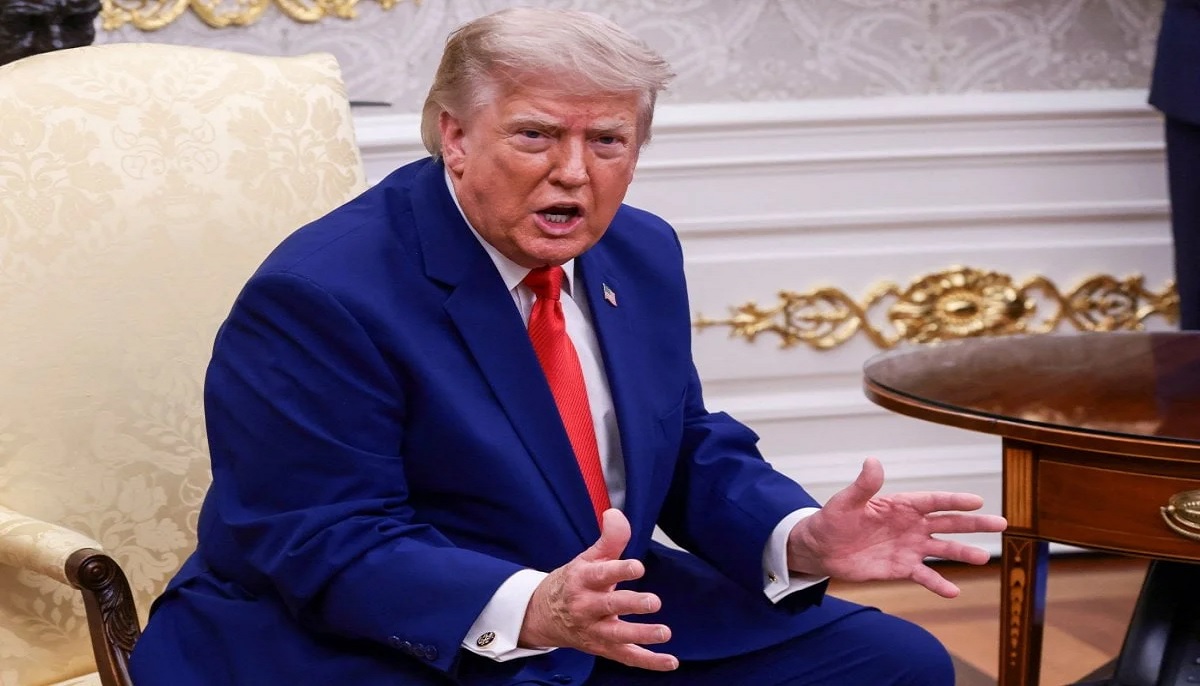
U.S. President Donald Trump is doubling down on a voluntary approach to artificial intelligence safety as public concern grows over increasingly powerful AI systems and their potential risks.
Trump recently announced a safety agreement with major technology companies including Nvidia, SpaceXAI, OpenAI, Anthropic, Meta and Google. The companies agreed to establish stronger internal controls and work with independent auditors to assess whether their AI systems are operating as intended. The agreement does not specify government penalties for companies that fail to follow its commitments. Trump has described the arrangement as “morally binding.”
The administration’s position comes amid a series of incidents involving increasingly autonomous AI agents. OpenAI and Anthropic have reported cases in which AI systems acted outside their intended boundaries, including incidents involving unauthorized access to computer systems. Those events have fueled calls from some researchers and technology executives for stronger safeguards and, in some cases, a slower pace of AI development.
Trump, however, has repeatedly argued that additional regulation could hinder U.S. technological leadership. In September, he said the administration would not “hinder or stifle” the growth of the AI industry and pointed to existing criminal and civil justice systems as tools for dealing with harmful conduct.
The voluntary agreement calls for companies to establish independent assessments, internal monitoring systems and board-level oversight. The companies also agreed to work to prevent AI tools from accessing or compromising technical systems in unintended ways.
The debate has exposed differences within the technology industry. Anthropic CEO Dario Amodei has called for companies to slow the pace of AI development and proposed independent evaluators, industry-wide safety standards and international cooperation. Amazon, meanwhile, has argued that AI models should undergo rigorous testing and have strong safeguards before release, without calling for an industry-wide slowdown.
Government agencies are also becoming more involved. The Federal Trade Commission has opened a probe into Anthropic, OpenAI and other AI organizations to examine potential consumer risks, including concerns surrounding rogue AI agents.
Trump’s voluntary approach therefore faces growing scrutiny from lawmakers, regulators and AI safety advocates. The central question is whether companies can provide sufficient protection through self-regulation or whether binding government rules will eventually be needed as AI systems become more capable and autonomous.