Volkswagen Considers Chinese Software for European Cars, Report Says
Volkswagen is reportedly considering expanding software developed for its Chinese-market vehicles to its mass-market lineup in Europe
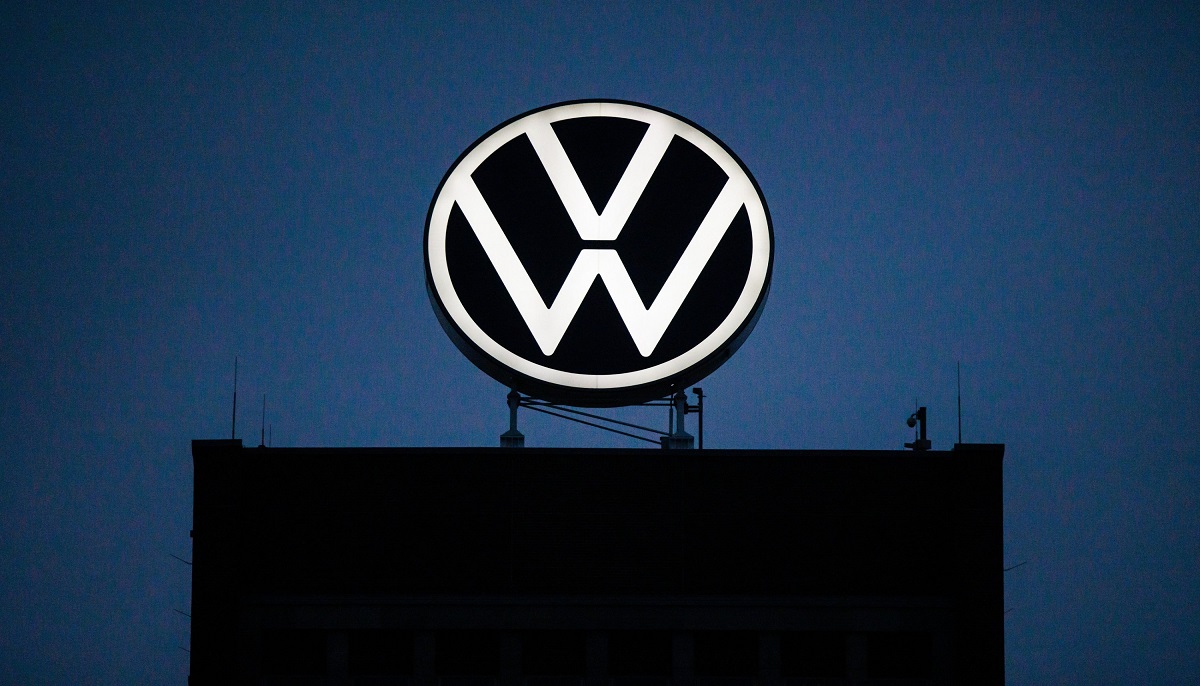
Volkswagen is exploring whether to adopt a software technology used in cars it makes for the Chinese market in much of its European range, a move that could overhaul the German carmaker's technological approach and its alliance with U.S. electric-vehicle maker Rivian.
The plan is based around Volkswagen's China Electronic Architecture, a vehicle software and electronic system built in partnership with Chinese electric-car maker Xpeng. As reported by Germany's Manager Magazin, the tech could underpin future models being launched under Volkswagen's main Volkswagen, Skoda and Cupra marques in Europe.
The report said the proposal could potentially offset roughly three-quarters of next-generation model coverage from the three brands. The plan was likely to be presented to management by Volkswagen's core-brand chief Thomas Schäfer, the report added. Volkswagen declined to comment on the report.
The move would come as Volkswagen tries to resolve ongoing problems with its software development. It has had difficulty in ramping up its in-house software business through Cariad, given the complexity of its mass-market vehicle lineup and the scale of its organization.
The carmaker took another approach for China: Following VW's Chinese JV with SAIC, VW partnered with Chinese EV startup Xpeng to develop software and architecture suited for local needs. VW took a different approach for Western markets: A dedicated JV with Rivian, to which VW poured in $5.8 billion for joint software and vehicle architecture.
Adopting the Chinese-developed architecture in Europe could allow Volkswagen to standardize more of its software systems, reduce duplicated development work and potentially accelerate the introduction of new vehicles. However, such a decision could also affect Rivian's expected role in Volkswagen's future technology plans.
They respond to how Chinese car technology is becoming more prevalent as European automakers are encouraged to keep up with companies that produce more advanced electric cars and digital features. Chinese companies have benefited from fast product development, integrated software and low cost which have challenged other car companies to change the way they design cars.
Volkswagen has previously tapped into Chinese collaborations to establish itself in the world's largest car market. But those not necessarily translated into sales. The car maker's recent woes in China show the challenge of competing with a host of local players that can offer technologically advanced cars at a rapid pace.
Taking Chinese code to Europe is probably an affordable attempt from the manufacturer to accelerate the development and to make more room for efficiency. However, it may also mean questions about losing the dependence to others, regional differences in the program, and the future of a current alliance.
A final verdict is yet to be reached. The change could only happen if management is agreed and the company considers the technical, commercial and strategic implications. The adoption, however, reflects the current higher level of competition is driving traditional car companies to question the origin of their vehicle technology.