Fed Holds Interest Rates Steady as Inflation Remains Stubbornly High
The U.S. Federal Reserve has kept interest rates unchanged as policymakers wait for more evidence about the direction of inflation
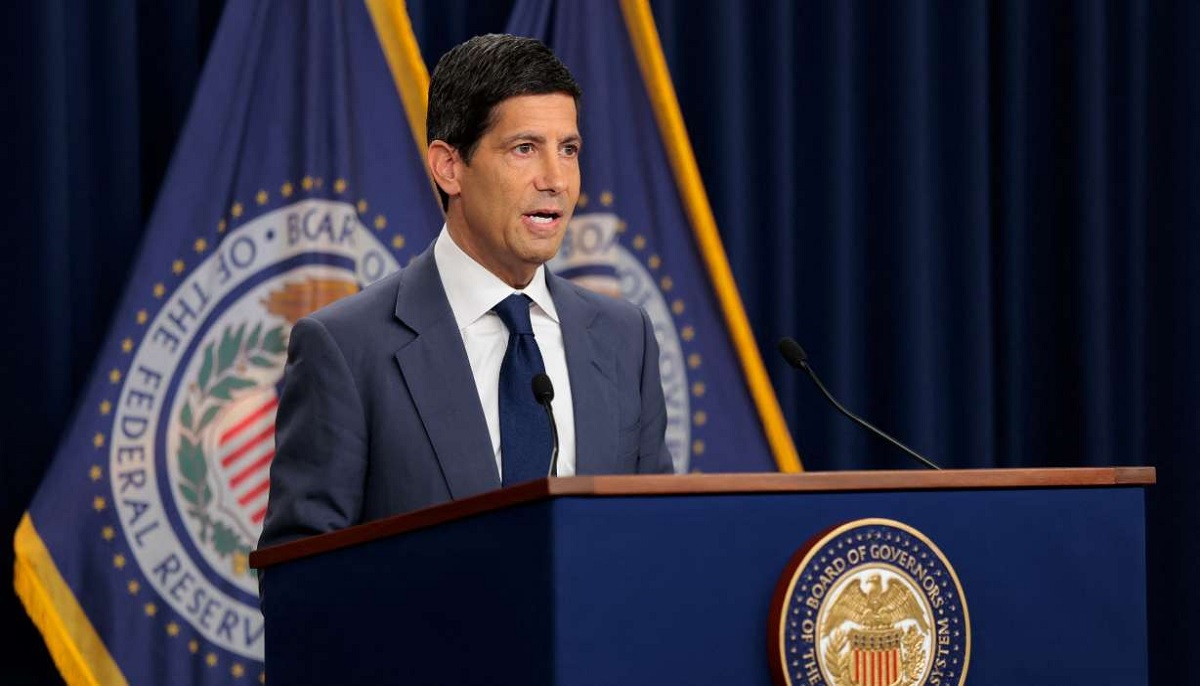
The U.S. Federal Reserve held its target interest rate at its current level on Wednesday, October 28, with policymakers taking a cautious stance while awaiting more inflation data.
The Federal Open Market Committee voted 10-2 to keep its benchmark rate between 3.75% and 4%. The decision came after a quarter-percentage point hike at its meeting in September, the central bank's first rate hike since 2023.
In its statement, the Fed said the economy "continued to expand at a strong pace, partly reflecting growth in domestic spending, strong growth in capital investment and productivity." The central bank added that employment had been rising at a pace sufficient to hold the unemployment rate stable.
However, inflation is still running above the central bank's 2% target in the long run. Policymakers said they want to see more data before judging the next step for borrowing costs, and may hike further if price pressures don't subside.
Such as the latest inflation figures. Consumer prices increased 3.7% compared to last September, up from 3.4% in August, supported by rising energy prices. Higher transportation costs and oil prices have sparked fears that inflation will spread to other sectors of the economy.
It was not a unanimous decision. Federal Reserve Governor Lisa Cook and Cleveland Fed President Beth Hammack dissented in favor of a quarter-percentage-point raise. The split reflected the divide among policymakers on whether a pause would be enough to get inflation in check.
The Fed's Kevin Warsh, the most outspoken member of the group, said the central bank will evaluate new economic data, rather than promise to take a particular path. Now investors are eyeing the December gathering for clues as to whether another hike is in the works.
Markets are also starting to price in more rate hikes in case inflation remains high. The move higher in interest rates can dampen inflation by making borrowing more expensive and discouraging spending, but it also makes it costlier for individuals and businesses to borrow.
The Fed's decision also poses headwinds due to confusion over geopolitical situations, energy prices, and the AI boom of capital investment in AI infrastructure. Solid capital expenditure can undergird long-term growth and productivity, but resource and power demand can put upward pressure on inflation in the short term.
For consumers, businesses and investors, the steady rate suggests borrowing costs are unlikely to fall anytime soon. The next round of monetary policy will greatly rest on whether incoming inflation and employment figures give signals that inflationary forces are starting to slow.
What the central bank is really telling us is that it still isn't ready to celebrate the inflation battle - and that all will be decided on the basis of the data that's to come.