Eutelsat Forecasts $11 Billion Revenue as Europe’s Starlink Rival Takes Shape
Eutelsat expects to gain access to more than twice OneWeb’s current bandwidth capacity
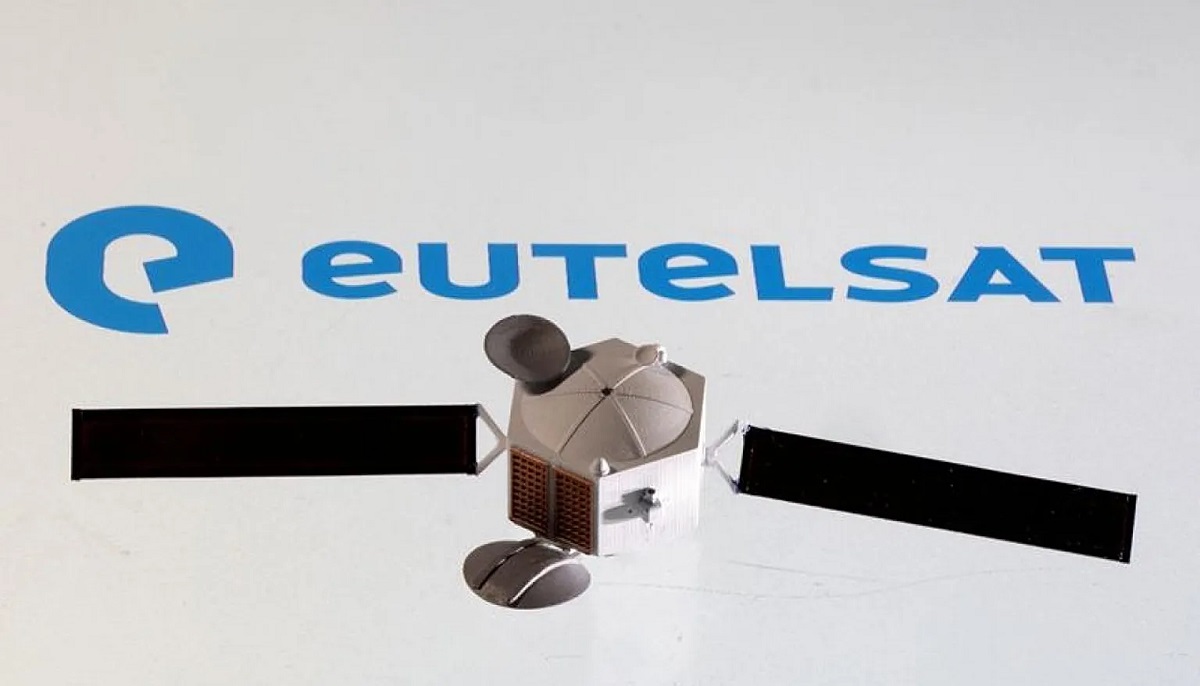
Eutelsat anticipates earning over €10 billion ($11.1 billion) in commercial services revenue from 2032 to 2040, as the company becomes a key driver of Europe's upcoming satellite communications network, IRIS².
French-British satellite company reveals outlook as EU moves to build secure, sovereign communications system to rival Starlink The initiative aims to offer resilient connectivity for governments, corporates and other users while decreasing Europe's reliance on other nations' satellite systems.
Eutelsat will be responsible for the low-earth-orbit part of IRIS², which will consist of a network of 330 satellites. It is to be launched in stages from 2029, with services commencing in 2030, with the commercial low-earth-orbit constellation to be fully operational in mid-2032.
Eutelsat's project could provide further growth for the company which already runs One Web, a constellation of over 600 low earth orbit satellites. One Web largely targets customers in the government, telecom, aviation and maritime sectors, where Eutelsat has a foothold in markets demanding secure, reliable connectivity.
The enlarged IRIS² programme will give Eutelsat a bandwidth capacity more than double that currently offered by One Web, and it is planning to invest around €3.39 billion in shared and commercial network infrastructure from 2027 to 2034.
Meanwhile, Eutelsat's order backlog has risen significantly to €12.1 billion versus €3.4 billion as at end-June. The backlog includes €8.9 billion of work to design and build the IRIS² network, the bulk of which will be recognized as revenue between 2027 and 2031.
But the company still struggles with existingbusiness. Traditional geostationary satellite revenues, such as video broadcasting, have been declining as customers shift away from standard TV distribution. The expansion of low-earth-orbit connectivity is likely to partly mitigate this trend, but it will take a considerable investment.
Eutelsat recorded revenue of €278.3 million for the first quarter of this year, down 2.1% year-on-year and short of analysts' forecast of €291 million. The results underscore the disconnect between its near-term operating performance and the long-term revenue prospects of its satellite fleet plans.
> Also, rivalry with Starlink continues to be strong. SpaceX has a significantly more extensive satellite constellation as well as a large customer roster, while Eutelsat is focusing heavily on government, business and secure communications sectors.
IRIS² will be an infrastructure investment for Europe, but also a strategic initiative to ensure digital sovereignty. For Eutelsat, it is the opportunity for sustainable growth in a commercial sense in the longer term, but the proceeds will be contingent on the launch of the network, customer appetite and the ability to face the capital expenditure head on.