Experts Call for More Funding to Support Sustainability and Protect Nature
Experts from around the world have called for more long term funding to protect nature and support sustainable land care

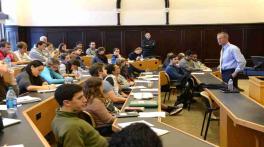
Experts from around the world have called for more long term funding to protect nature and support sustainable land care. The issue was discussed at an international workshop on October 24 2026 in Yerevan Armenia. The workshop took place during the 2026 UN Biodiversity Conference (CBD COP17). It was organized by the United Nations University Institute for the Advanced Study of Sustainability (UNU IAS) and the International Union of Biological Sciences (IUBS).
The meeting focused on the lack of money for projects that protect land and wildlife. Experts said many projects depend on short term funds and unpaid work. When the money runs out, local teams may struggle to continue their work. They also said that good land care needs strong teamwork, clear plans and support from local people. Without steady funding, important work can stop. Data and local knowledge may also be lost.
During the workshop, experts called for funding plans that last 20 years or more. They said local people and traditional leaders should have a bigger role in protecting nature. The speakers also called for better links between funders and local groups. They said private companies could help by investing in nature projects. They also suggested using public money in ways that help protect land and wildlife.
Fumiko Nakao from the Convention on Biological Diversity said that more money is needed to support these projects. She also stressed the need for teamwork to protect nature and deal with climate change. The workshop ended with a clear message. Protecting nature needs more than short term help. It needs steady funding, strong local teams and support from governments and businesses. These steps can help protect land, wildlife and natural resources for future generations.