Meta Builds Humanoid Robot With Chinese Startup Fourier to Expand AI Ambitions
The robot weighs around 106 pounds and stands nearly five feet tall
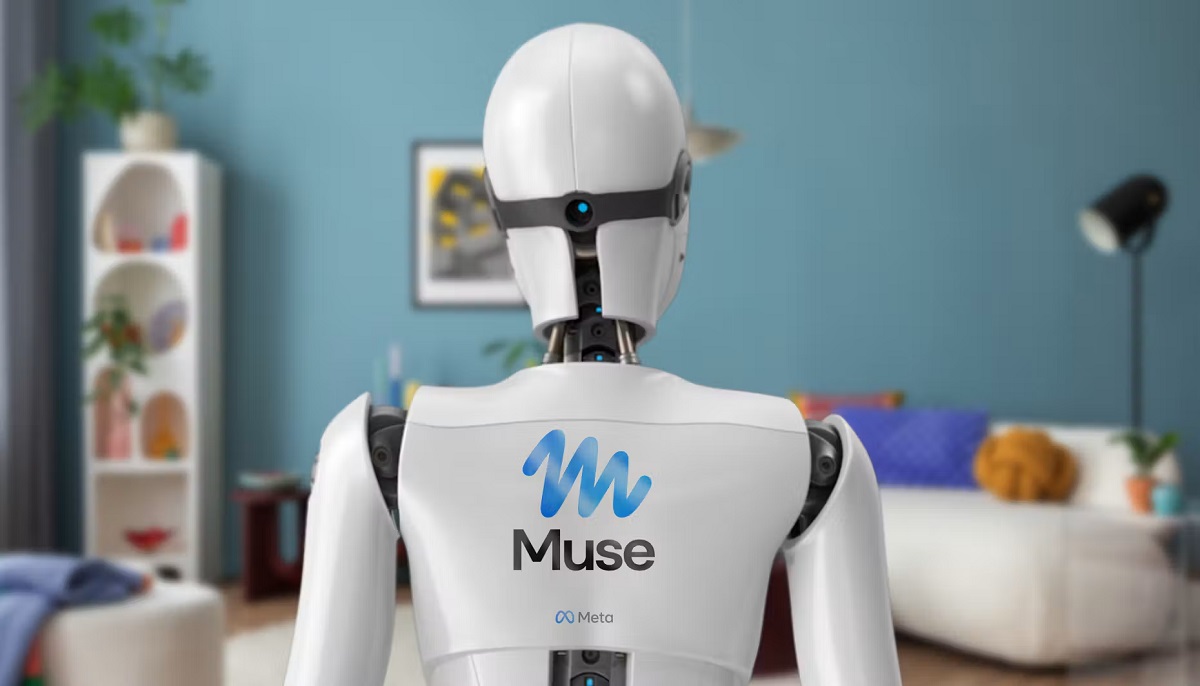
Meta Platforms has created a prototype of a humanoid robot in partnership with Chinese robot startup Fourier and is already working on a second version, according to a report by The Information published on Saturday, October 31. The project is one of Meta's most tangible efforts yet to turn its gaze towards building robots that perform tasks in people's homes.
The prototype, internally called Max, was built in about three months. It is about 106 pounds and almost five feet tall. Meta sent teams to work in China with Fourier engineers at the Shanghai facility, integrating the two sides' off-the-shelf robotics hardware with Meta's designs and specifications.
According to the report, the robot is equipped with cameras, facial expressions, speakers and five-fingered hands capable of picking up smaller objects. Meta also laid out rules for how the robot would interact with humans, such as responding to voices several meters away, interpreting hand gestures and indicating when it is listening, thinking or responding.
In September, the two companies started designing Max 2, their second prototype. The next one is anticipated to have a new torso, better hands for grabbing objects, more sensors to help it climb stairs, and a projector to project images.
The partnership highlights how Meta is working to bring its AI tools into the real world. The company has been growing its robotics research arm, Meta Robotics Studio, and last month purchased Assured Robot Intelligence, a startup working on AI models to help robots better understand and react to human behavior.
The company, according to the people, sees humanoid robots as a physical extension of Muse, its AI agent, which in the future could have the ability to communicate with humans and handle routine chores at home. Meta has not revealed a date to bring the robot to market.
A Meta spokesperson said that this partnership with Fourier is for internal research and testing and added the company has no intention of selling the units as they are.
The deal also follows increased concern about China's role in robot manufacturing and U.S. worries about supply-chain security and reliance on Chinese technology. Meta's work with Fourier, for example, shows how American technology firms might work with foreign-made hardware and build their own A.I.-powered devices.
The Reuters report of the development was based on The Information's report but Reuters was unable to confirm the report. The companies had not released a technical post about the project.
The prototype still is an in-house research initiative, but Meta's latest step indicates that the race in artificial intelligence is broadening more and more from software and smartphones and data centers to robot bodies to walk alongsides humans.