Bangladesh Garment Industry Faces Wage Protests as Workers Demand Higher Pay
Bangladesh's garment factories reopened on Monday after workers held protests over low wages
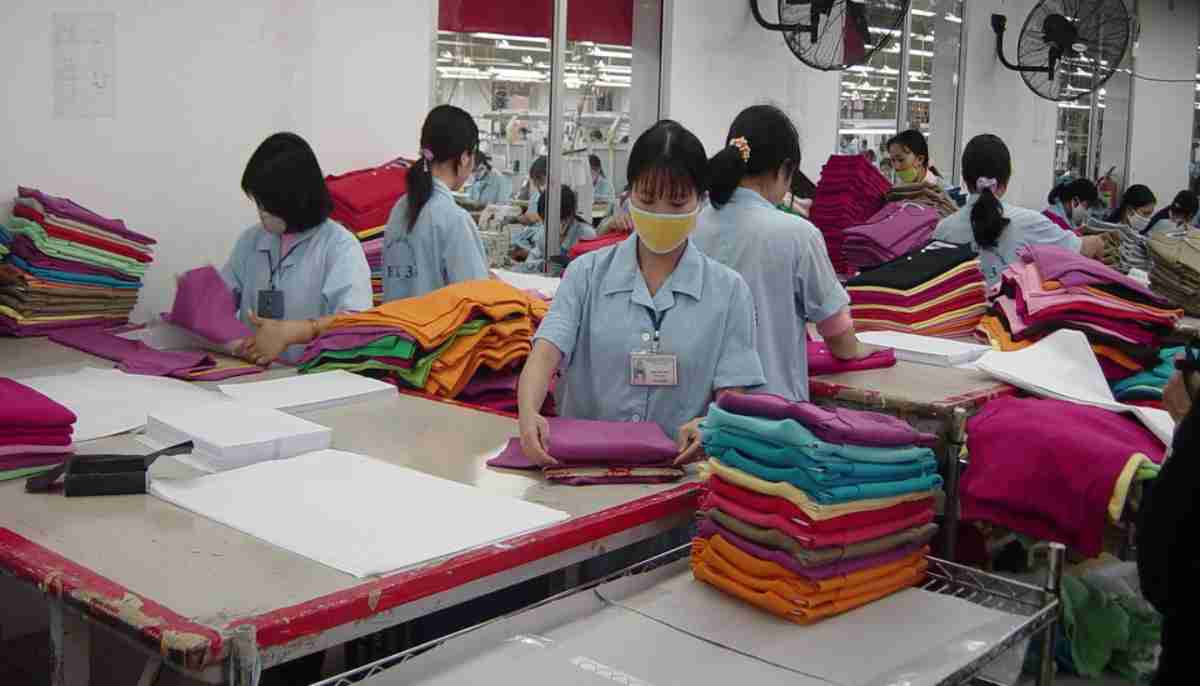
Bangladesh's garment factories reopened on Monday after workers held protests over low wages. However factory owners are still worried about more protests and work delays. Workers are asking for a higher monthly minimum wage of 30,000 taka. The current minimum wage is 12,500 taka. They say rising prices have made it hard to pay for food, homes and other basic needs.
The protests caused problems at 529 factories and affected nearly 1 million workers according to the Bangladesh Garment Manufacturers and Exporters Association (BGMEA). The government has formed a six member board to review workers' pay demands. But this step has not stopped all concerns. Police also used tear gas and water cannons to break up protests in some areas.
Bangladesh's garment industry is very important to the country's economy. It gives jobs to about 4 million people and brings in more than 80% of the country's export earnings. Factory owners say higher wages will raise their costs. They are also facing high energy costs and lower demand from some key markets. BGMEA President Mahmud Hasan Khan warned that factories may stop paying workers if new protests force them to close.
Experts say workers need better pay because living costs are rising. But a big wage increase could also make it harder for factories to compete with other countries. They suggest raising wages in steps and helping factories work better. They also say global clothing buyers should pay fair prices.
The main challenge is to find a fair plan that helps workers earn enough while keeping Bangladesh's garment industry strong.