US Interest Rate Hike Risk Persists Despite Recent Treasury Yield Decline
A recent decline in US Treasury yields has offered some relief to borrowers and bond investors, but the risk of another increase in borrowing costs re
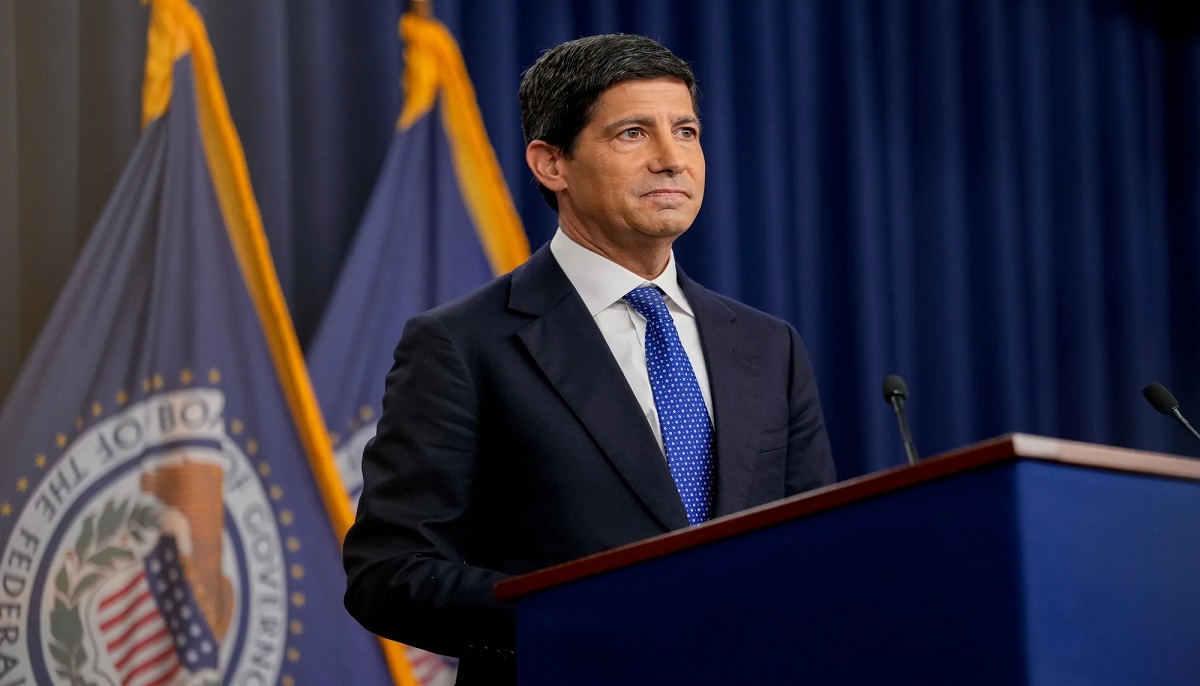
Investors remain wary of the potential for US interest rates to rise once again, even after a pullback in Treasury yields, as inflation costs, government borrowing and the Federal Reserve's next move are still under consideration.
In the USA, the 10-year benchmark treasury yield has fallen for four weeks in a row easing some worries after a steep spike early in 2026. Yet a technical reading says the move may not be sustainable. Reuters reports the yield is still well above the rising 20-weekly moving average at about 4.81%, which has been a level of support during 2016.
The 10-year yield was at 5.3645% on 7 October, the highest since 24 years ago, compared with around 3.96% before the Iran war. While yields have eased from this peak, experts say that another upward move could squeeze government borrowing costs, mortgage rates and funding for companies.
The latest move by the Federal Reserve introduces more uncertainty. In a unanimous vote on October 28, Fed officials held the federal funds rate at 3.75% to 4%, where it was set in September. The vote was 10-2, with two governors in favor of raising the rate now. The Fed said prices remained high and wanted more information before acting again.
Comments from a number of central bank officials have confirmed the view that additional tightening could still be on the table. Dallas Fed President Lorie Logan on 30 October stated she was in favor of at least a further two quarter-point increases. St. Louis Fed President Alberto Musalem also said more tightening would be needed next, citing still rising inflation and demand.
In addition to the effects of monetary policy, US government borrowing needs are increasing the demand for longer-term bonds. Soaring amounts of Treasury issuance coupled with ongoing budget deficits mean investors are facing an enormous amount of government debt to absorb. Inflation fears and fears about the long-term viability of US government finances could push investors to demand higher yields to buy longer-term bonds.
Traders are monitoring a series of technical levels for clues as to whether yields are about to head higher or lower. A sustained break below the 20-week moving average on the 10-year yield opens the door to a test of 4.75% to 4.68%. But another leg higher could lead to a test of 5.07%, with some additional resistance at 5.16% to 5.18%.
Still, for the moment, the recent downswing hasn't erased the risk. Investors continue to be eyeing inflation figures, Federal Reserve statements, and government borrowing patterns - all of which could decide if yields have more room to fall or if they rebound higher.