Australia Raises Interest Rates to 18 Year High Personal Finance Under Pressure
Australia's central bank has raised interest rates to their highest level in 18 years. The Reserve Bank of Australia (RBA) increased
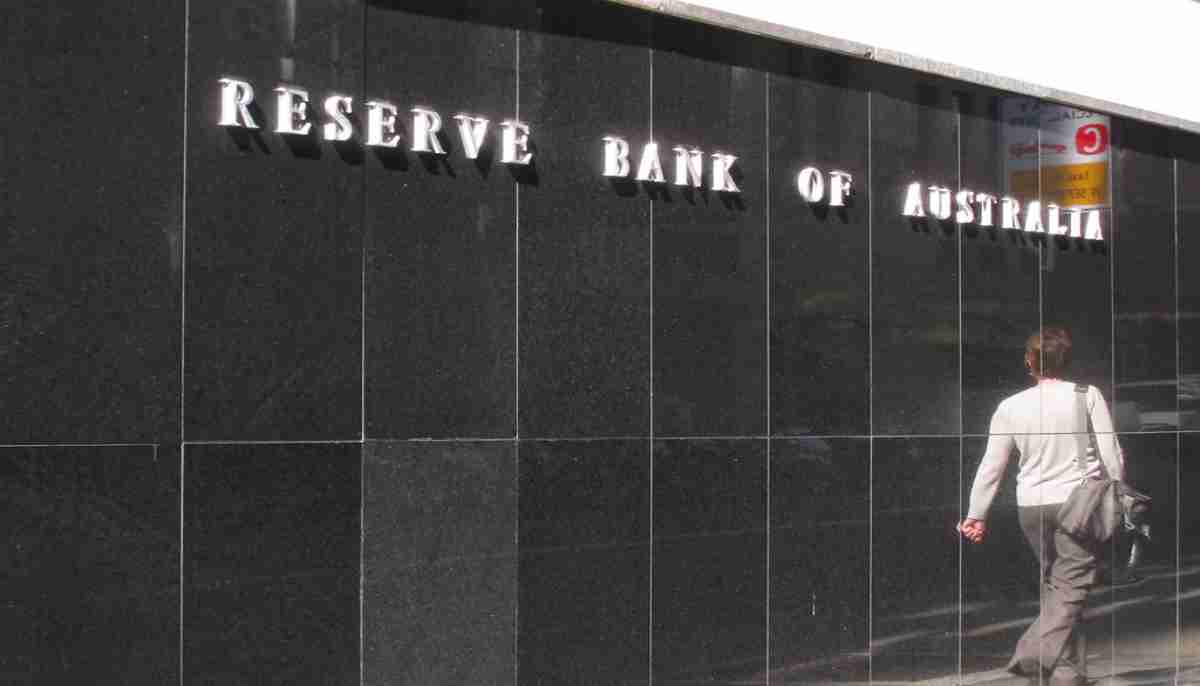
Australia's central bank has raised interest rates to their highest level in 18 years. The Reserve Bank of Australia (RBA) increased its key interest rate by 0.25 percentage points to 4.85% on Tuesday. The move comes as the country faces high prices and growing money problems.
This is the fifth interest rate increase this year. The new rate is the highest since late 2008 when the world was facing a major money crisis. The latest move shows that the central bank is still worried about rising prices across the country.
The RBA said inflation remains high. The long war in the Middle East has pushed up fuel and other goods prices. Problems with oil supplies have also made energy more costly. When fuel and energy prices rise businesses often spend more money to make and move their products. These extra costs can lead to higher prices for shoppers.
The bank also pointed to the growing use of artificial intelligence (AI). More spending on AI is pushing up the prices of some technology goods. The RBA said prices for many other goods and services also remain high. These problems are making it harder to bring inflation under control.
The latest rate rise could make life harder for many Australian families. People with home loans may have to pay more money each month. Those who need personal loans or other credit may also face higher costs. This can leave families with less money for food, shopping, school costs and household bills.
Higher loan payments may also force people to change their spending plans. Some families may delay buying a car, moving to a new home or making large purchases. Others may try to save more money and cut back on things they do not need.
The rate increase can also affect businesses. Higher borrowing costs may make it harder for companies to buy new equipment, open new sites or hire more workers. If people spend less, shops and other businesses may also see fewer sales.
The RBA warned that global oil supply problems could push prices even higher. It also said that long periods of uncertainty could slow economic growth in Australia and other countries. This creates a difficult task for the central bank. It needs to control inflation while also supporting jobs and business activity.
Higher interest rates can help slow price rises by making borrowing more costly. However, they can also put more pressure on people who already have large loans.
The latest decision means Australian families and businesses may need to plan their money more carefully. The coming months will show whether higher interest rates can help bring inflation down without causing too much harm to the economy.