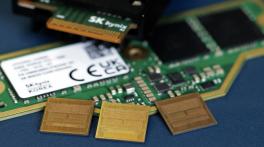
AI Boom Diverts Chip Supply From Smartphones, PCs and Other Industries
AI data centers also require significantly more semiconductor capacity than conventional computing facilities
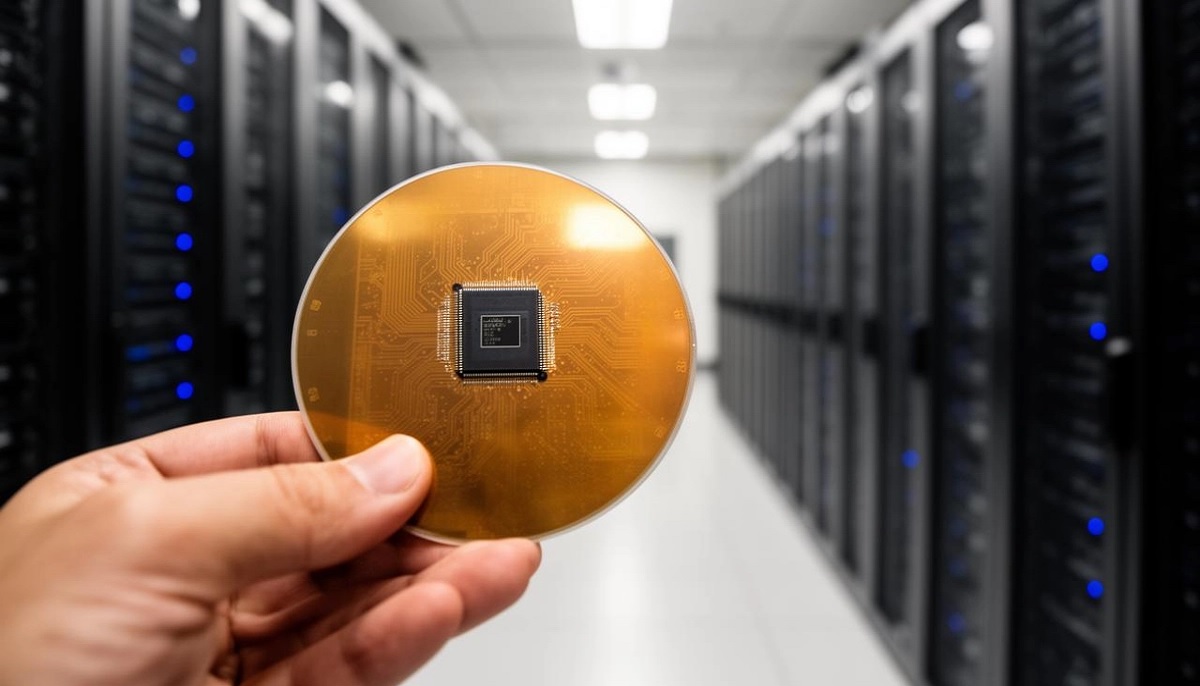
The global AI boom is siphoning off semiconductors from existing markets, resulting in shortages at smartphone, personal computer and other consumer electronics makers. As firms deploy billions of dollars into building out the hardware needed to power AI, chip manufacturers are focusing on customers able to pay a premium price for their products.
Michael Heckmeier, chief executive of German semiconductor wafer manufacturer Siltronic, said the expanding market for AI chips is also driving supply shortages in other areas of the chip industry. Indeed, some legacy industries could benefit more from greater chip capacity.
This change is especially meaningful as hyperscalers, the largest cloud computing companies, have deep pockets and are happy to pay top dollar for semiconductors. Vendors have good reasons to steer production toward AI semiconductor and higher margin products rather than consumer electronics components.
AI-specific data centers will also need a lot more transistors than ordinary computing data centers. Compared to classical servers, AI data centers require up to three or four times as much silicon per server, which ultimately translates into higher demand for silicon wafers for the manufacture of chips, says Heckmeier.
Siltronic, which makes silicon wafers for chip makers, has upgraded its sales outlook twice this year on the back of higher demand. The upgrade illustrates how players supplying the indispensable supplies are reaping the benefits of soaring AI infrastructure demand.
But its effects are becoming more evident as well throughout the consumer electronics industry. Smartphone and PC makers are paying more for components as chip suppliers double down on more advanced memory and AI chips.
Those restrictions also are hitting the auto, telecommunications and medical device businesses - which require consistent supplies of traditional memory and other semiconductor materials. Business organizations in the US said that shortages and rising costs could cause disruptions and lead to higher costs to manufacturers.
SEMI, the industry association, is ramping up capacity, but new fabs take years and cost hundreds of millions of dollars to build so it's unclear whether there will be enough to relieve current shortages.
Heckmeier isn't seeing any evidence of slowdown at the moment when it comes to demand for AI. But he is of the view that if it does eventually slow, that capacity could slowly shift back into smartphones, PCs and other markets where the real underlying demand is strong, helping to keep the market from falling into a downtrend.
At this stage, the boom in AIs is also making the chip industry more lopsided. On the one hand, suppliers of chips for data centres are riding high thanks to their starry demand - and relaxed budgets. On the other, the costs of electronics-makers are up and the squeeze on access to crucial components is tightening.